
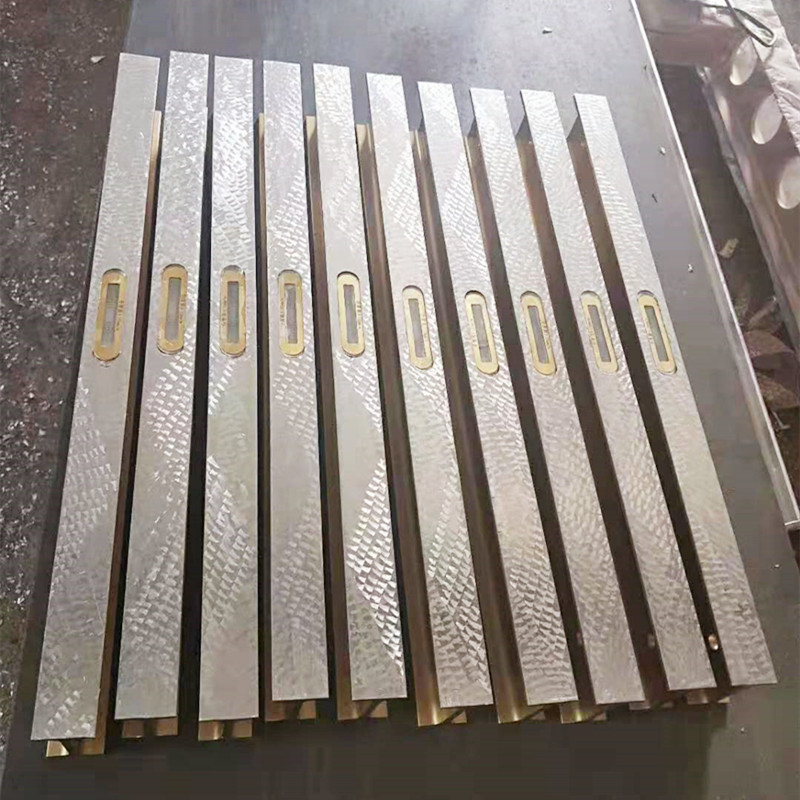
floor mirror with led lights
Understanding the Pin Gauge Measurement Method The Pin Gauge Measurement Method is a widely recognized technique used in manufacturing and engineering to ensure precise measurements of hole sizes and diameters. This method is essential in various industries including automotive, aerospace, and electronics, where precision and accuracy are paramount. What is a Pin Gauge? A pin gauge is a tool used to check the diameter of holes and the size of specific components. It consists of a series of pins, each with a specific diameter, allowing for an easy comparison against the hole being measured. Typically made of high-quality steel, pin gauges are designed to be highly accurate and durable. They are classified into two categories plug gauges and ring gauges. Plug gauges are used to measure the inside diameter of holes, while ring gauges are used for external diameters. How Does the Measurement Work? The pin gauge measurement method involves the following steps 1. Selection of Appropriate Pin Gauge The selection begins by determining the nominal size of the hole or component to be measured. Manufacturers often use a set of pin gauges that cover a range of sizes, providing multiple options for measurement. 2. Insertion into the Hole The gauge that closely matches the required diameter is chosen and carefully inserted into the hole. The fit of the gauge will indicate whether the hole is within the specified tolerance. 3. Assessment of Fit There are three possible outcomes when using a pin gauge - If the gauge fits snugly, it confirms that the hole is the correct size. - If the gauge does not fit at all, it indicates the hole is smaller than the gauge size. - If the gauge can be inserted but is loose, it suggests the hole is larger than desired. The tactile feedback provided by these simple checks allows engineers to quickly ascertain whether a part meets its dimensional specifications. Advantages of the Pin Gauge Measurement Method pin gauge measurement method 1. Simplicity and Ease of Use Pin gauges are straightforward tools that require minimal training . This ease of use allows operators at various skill levels to perform measurements effectively. 2. Cost-Effectiveness Unlike more advanced measuring instruments, pin gauges are relatively inexpensive. Their simple design makes them accessible to businesses of all sizes, helping to maintain quality assurance without excessive costs. 3. High Accuracy When manufactured correctly, pin gauges provide high levels of accuracy. They are often calibrated to international standards, ensuring reliable measurements. 4. Versatility Pin gauges can be used in various applications, from simple hole checks to complex assembly lines. Their ability to measure internal and external diameters makes them versatile tools in the engineering toolkit. Best Practices for Using Pin Gauges To ensure the effectiveness of pin gauges, several best practices should be followed - Calibration Regular calibration of the pin gauges is vital to maintain their accuracy over time. A schedule should be implemented to check the gauges against standard measurements. - Proper Handling Care should be taken when handling pin gauges. They should be stored in protective cases to prevent damage and deformation. - Environmental Considerations It is important to measure in a controlled environment, as temperature and humidity can affect the material properties of both the gauge and the component being measured. Conclusion The Pin Gauge Measurement Method is a fundamental tool in the quality assurance processes of manufacturing. With its simplicity, accuracy, and cost-effectiveness, it remains an essential technique for engineers and manufacturers seeking to ensure their products meet rigorous standards. Understanding how to effectively use this method can significantly enhance precision in production processes, ultimately contributing to improved product quality and customer satisfaction.
about
floor mirror with led lights
Understanding Bore Gauge Standard Sizes Bore gauges are essential tools used in various industries, particularly in manufacturing and engineering, where precise measurements of bore diameters are critical. The accuracy of these measurements directly affects the quality of the produced components, making bore gauges indispensable. To ensure consistency and reliability, bore gauges adhere to standard sizes, which can vary based on specific applications and industries. Understanding Bore Gauge Standard Sizes Bore gauges come in different types, including mechanical dial gauges and electronic digital gauges. Mechanical bore gauges typically feature a mechanical dial showing the internal measurement, while digital versions offer higher accuracy and may include features such as data logging and wireless transmission capabilities. Regardless of the type, standard sizes are established to cater to various applications, ensuring that manufacturers can select a tool suitable for their specific needs. bore gauge standard sizes The most common sizes for bore gauges range from very small bores of a few millimeters to large diameters of several inches. For instance, a standard bore gauge may be available in increments of 1mm or 0.5mm for smaller sizes, while larger gauges could be categorized into groups of 1/8 inch or 1/4 inch. This variety allows users to choose a gauge that can precisely measure the intended bore size without compromising on accuracy. Moreover, the calibration of bore gauges is paramount. Calibration must conform to standardized measurements, which ensures that users obtain precise readings that correlate with the specifications provided by industry standards. This adherence to calibration standards helps maintain the integrity and credibility of the measurement process. Industry standards, such as those from ANSI (American National Standards Institute) or ISO (International Organization for Standardization), often dictate the requirements for bore gauge sizes and specifications. These standards serve to unify measurements globally, facilitating international trade and manufacturing practices. By utilizing equipment that conforms to these standards, manufacturers can enhance the interoperability of their production processes. In conclusion, bore gauge standard sizes are vital in reshaping how precision measurements are conducted across various industries. The use of standardized measurements not only streamlines the manufacturing process but also guarantees the reliability of the equipment. With advancements in technology, bore gauges are likely to become even more accurate and user-friendly, ensuring that manufacturers continue to meet the demands of an ever-evolving market.
-

High quality industrial productsagement

High quality industrial products
View Details -

Meet the diverse needs of customers

Meet the diverse needs of customers
View Details -

Strict quality control

Strict quality control
View Details -

Top raw materials

Top raw materials
View Details -

Trusted supplier

Trusted supplier
View Details
Our application


news and information

Y Type Strainer Valve for Efficient Fluid Filtration and Flow Control Solutions
Understanding Y-Type Strainer Valves A Comprehensive Overview In the realm of fluid mechanics and pi
v block price
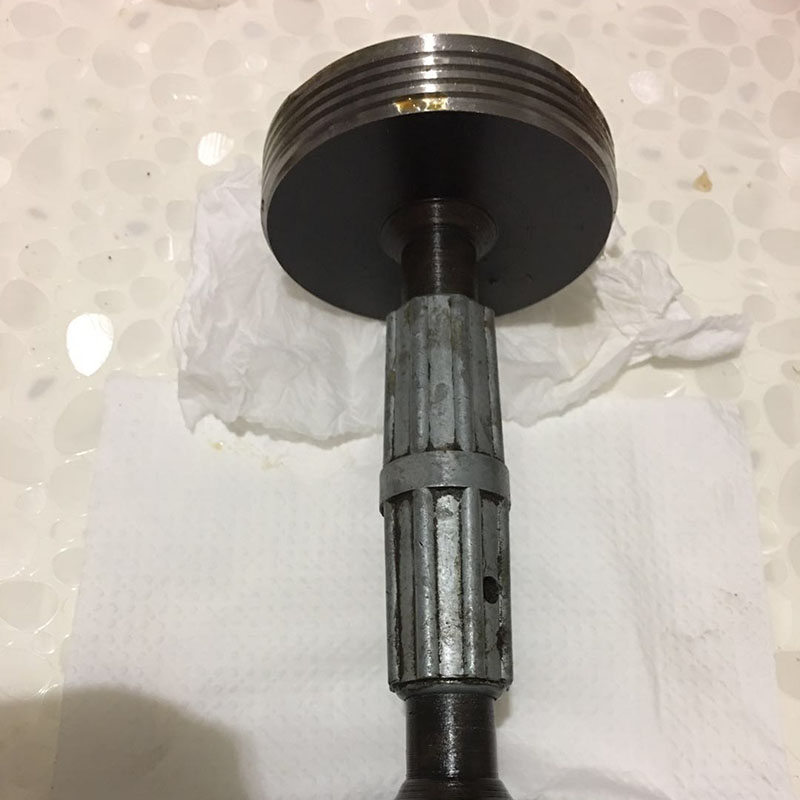
Understanding V Block Price An Overview In the ever-evolving landscape of digital currencies and bl
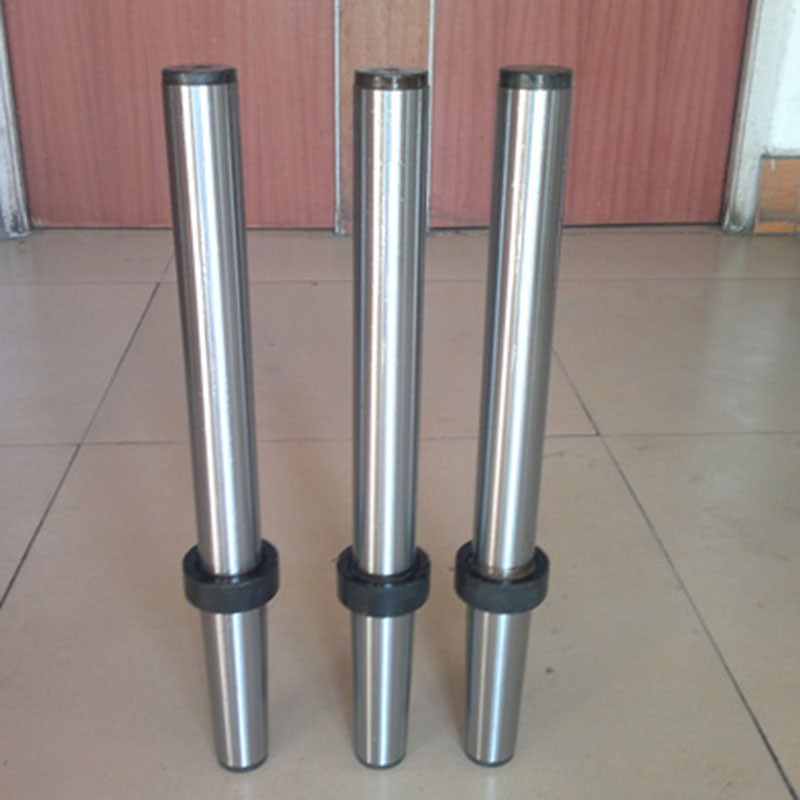
V Guide Rail - Precision Guiding Solutions for Enhanced Motion Control
The Importance of Guide Rails in Modern Infrastructure In the complex world of modern infrastructure
 English